Eight services

Everything that keeps coastal glass clear.

Glass is the core of the business. The rest of this list exists because each of these jobs was making the glass dirty again.
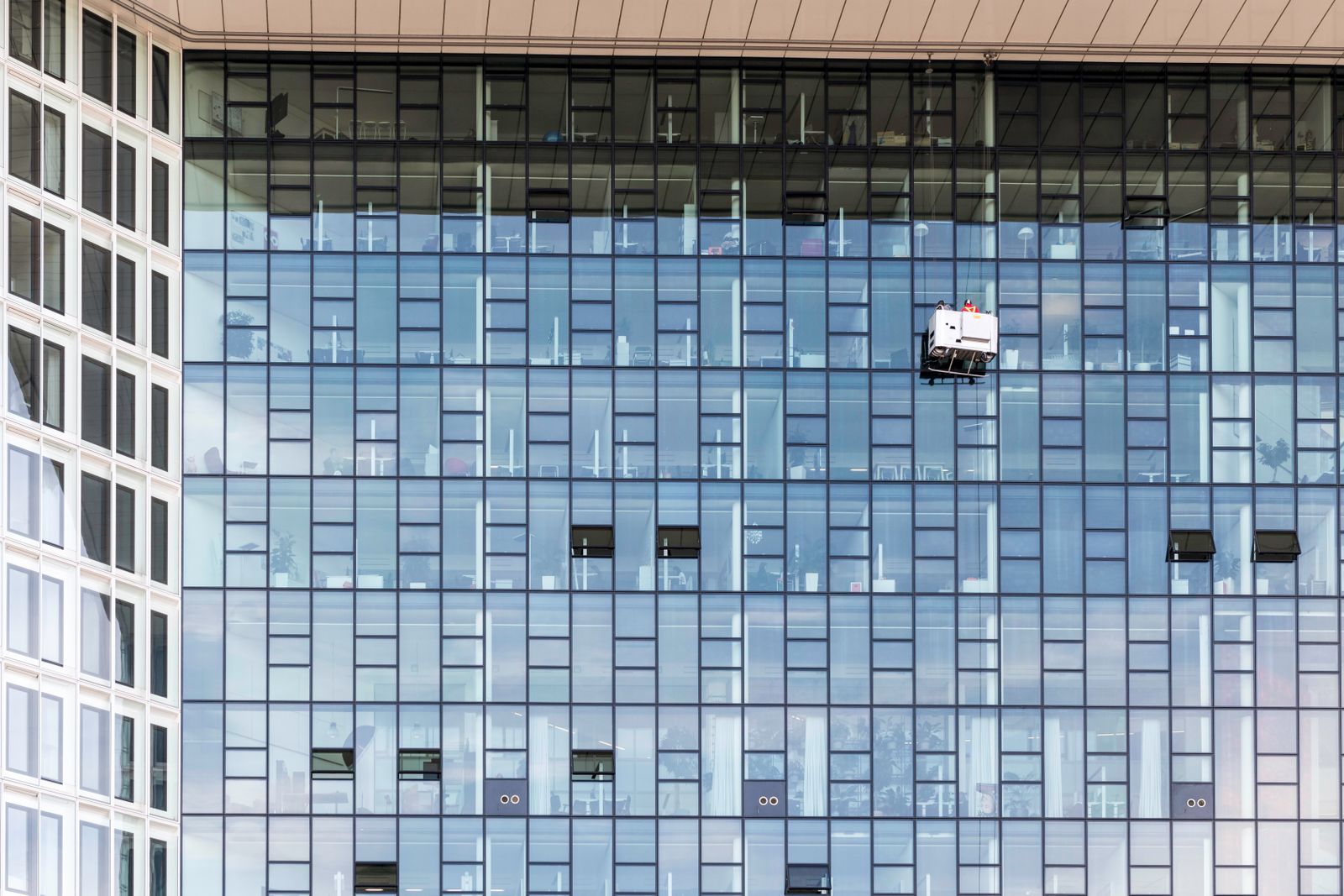
Window cleaners working the exterior glass of a building

Glass

Glass work

Commercial window cleaning

Commercial window cleaning

Storefront, office, restaurant and hospitality glass on a fixed route, billed monthly.
From
$0.95 per pane per visit on route, sample
Typical time
Storefront routes 20 to 45 minutes

Exterior

Around the glass

Solar panel cleaning

Solar panel cleaning

Deionised water, soft brush, no detergent. Documented before and after output on monitored systems.
From
$8 to $14 per panel, sample
Typical time
Half a day for most residential arrays
Gutter cleaning

Gutter cleaning

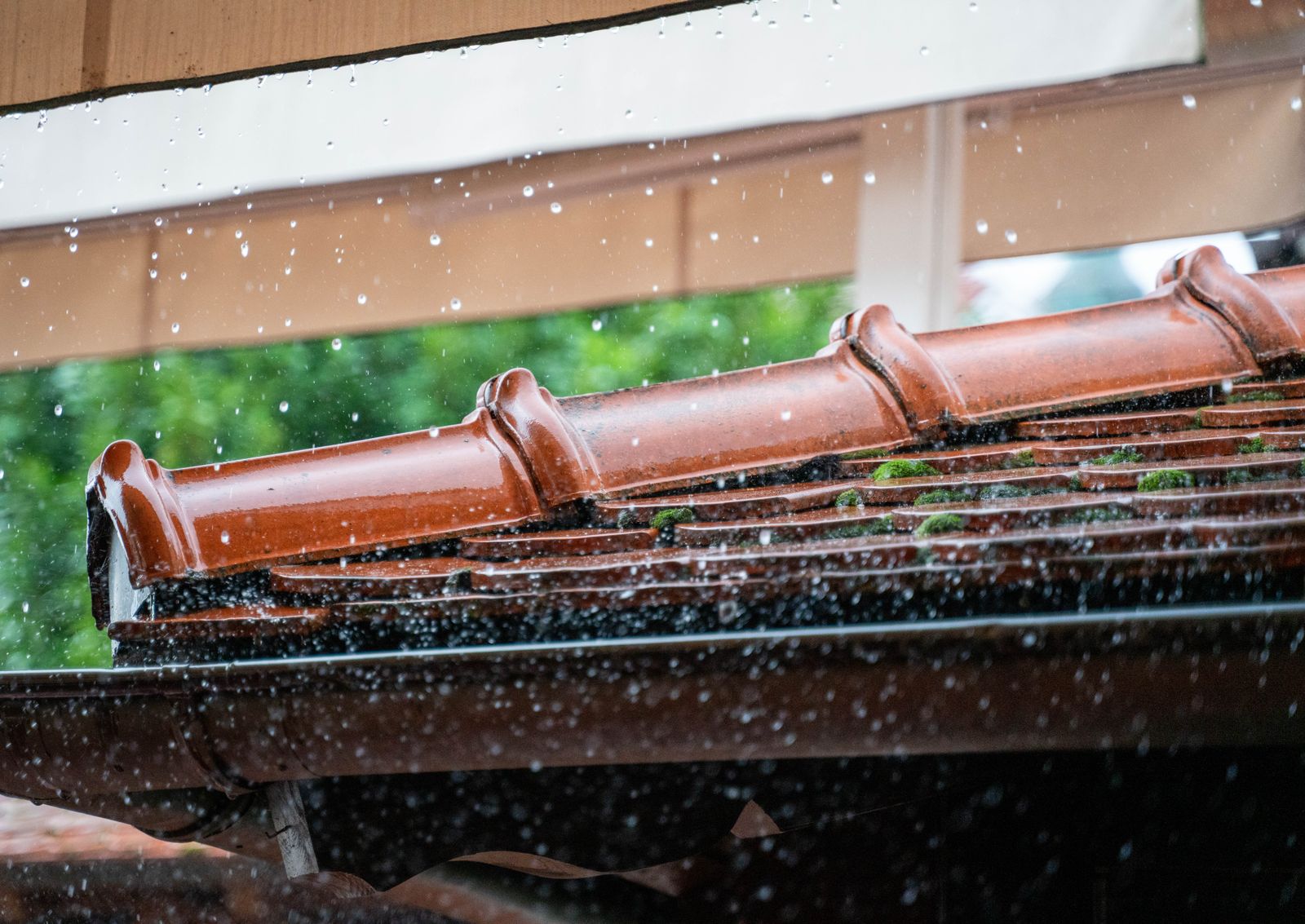
Hand cleared, bagged, downspouts flushed and flow tested. Pine needles included.

From
$165 for a single-storey home, sample
Typical time
1 to 3 hours

Restoration

Restoration

Two methods, one job

Pure water outside. Squeegee inside.

A crew that only owns one method will use it everywhere, including where it is the wrong answer. Almost every visit we run uses both: a water-fed pole for exterior elevations and reach, a mop and channel squeegee wherever the glass needs contact and control.

Exterior glass being washed on a building facade

Water-fed pole, pure water

Deionised water on a carbon-fibre pole. No detergent, no ladder, no towel.

Mains water is passed through a sediment filter, a carbon block and either a reverse osmosis membrane or a deionising resin bed until total dissolved solids read under 10 ppm. Pure water is aggressively hungry for minerals, so it lifts salt, pollen and soil off the glass on contact, then evaporates leaving nothing behind. That is why there is no towel and no squeegee: there is nothing in the water to dry into a spot.
Used for

  • Exterior glass from ground level up to about four storeys
  • Salt film on oceanfront and sound-front elevations
  • Frames, sills and the underside of transoms in a single pass
  • Properties where ladders would sit on flower beds, decks or HVAC units
  • Solar arrays, where detergent residue is actively harmful

Where it stops

  • Needs the water to read under 10 ppm TDS. Above that it spots, and the operator must check
  • Loses control in sustained wind over about 20 mph at full extension
  • Cannot remove bonded deposit such as mortar splash, paint or stage 2 mineral etch
  • Not used on interiors: too much water for a finished room
Reach
Practical working reach on this coast is four storeys. Poles are built longer, but coastal wind makes flex unmanageable beyond that.
Water or solution
Under 10 ppm total dissolved solids, measured with an in-line meter before the first pane.
Kit list
  • Carbon-fibre pole, 20 to 45 ft working sections
  • Dual-trim brush with rinse bar jets
  • RO membrane plus DI resin polishing vessel
  • In-line TDS meter, checked at the start of every job
  • Van tank, typically 350 to 650 US gallons
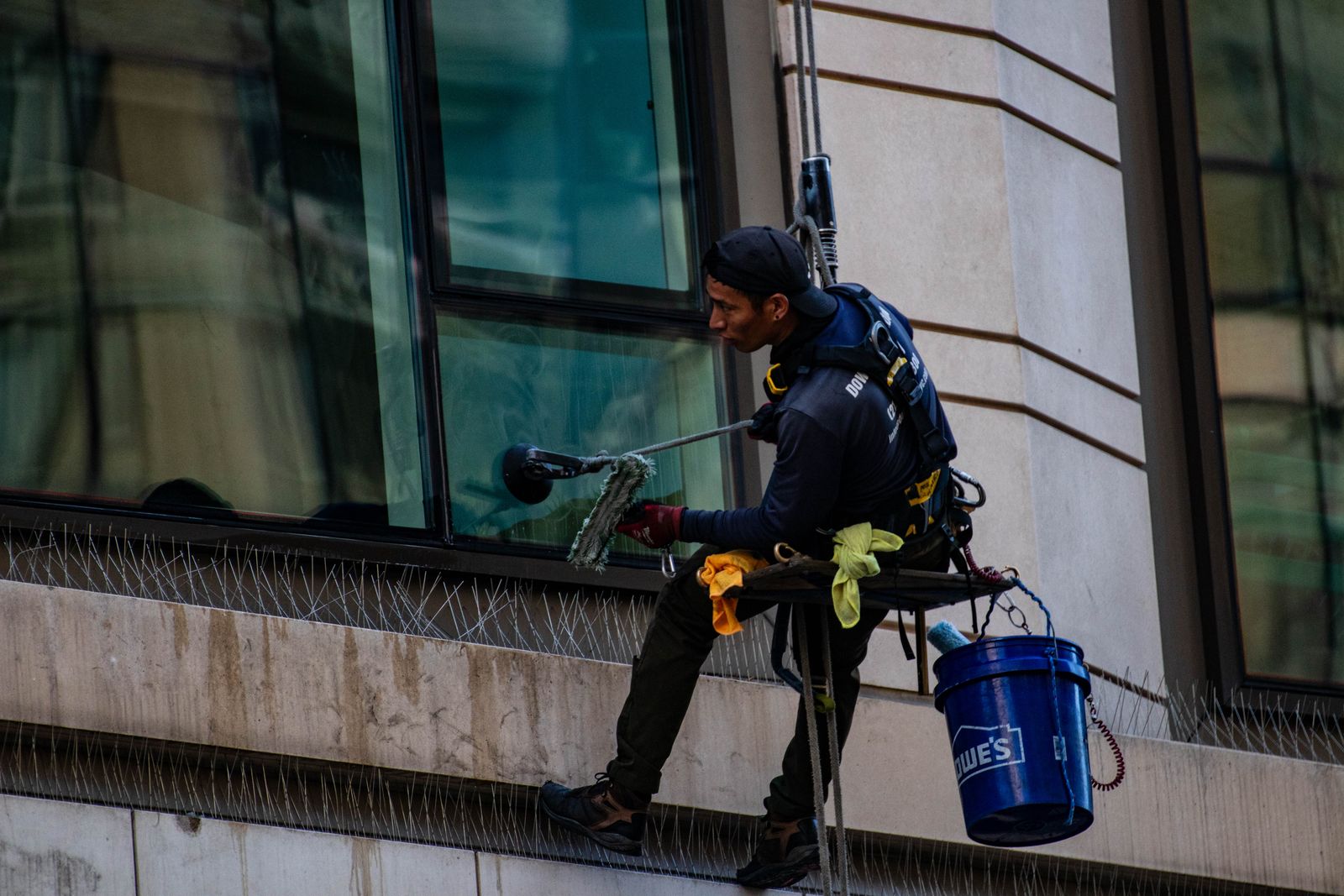
A window cleaner working exterior glass with a hand tool

Mop and squeegee, traditional

Applicator, channel squeegee and scrim. Contact work where contact is what is needed.

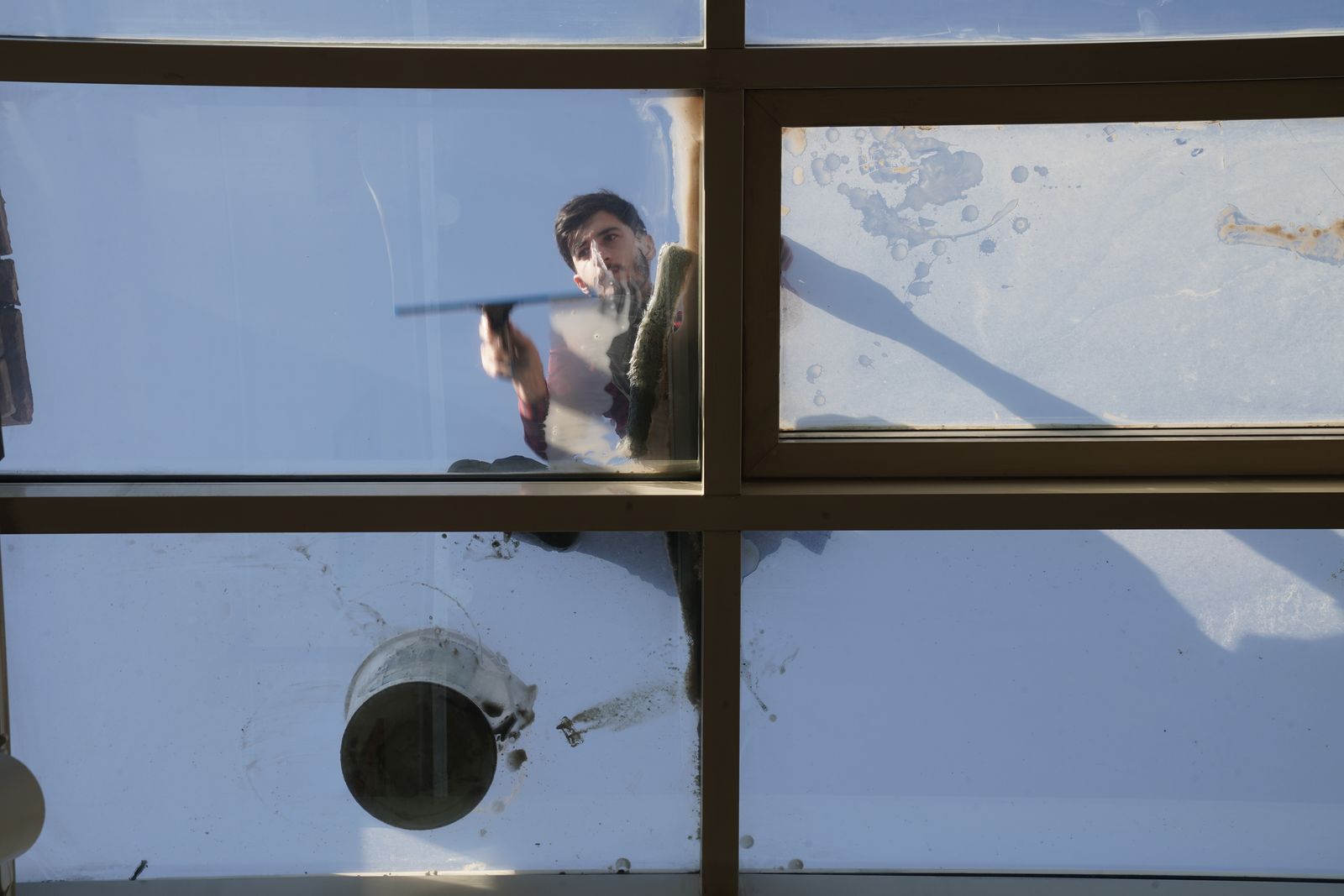
A washer sleeve carries a dilute neutral solution onto the glass and agitates the soil, then a brass or stainless channel squeegee with a fresh rubber pulls the water off in a controlled pattern. The perimeter is finished with a scrim or a lint-free cloth. This is the method that has cleaned glass for a century, and it is still the only one that applies real mechanical force with full control.

Used for

  • Every interior pane, without exception
  • Ground-floor exteriors where the glass needs agitation, not just rinsing
  • Storefront and commercial entry glass with traffic film and handprints
  • Post-construction glass with labels, stickers and light overspray
  • Historic and leaded glass, where pressure and water volume must be tiny

Where it stops

  • Needs a ladder or lift above ground floor, which brings its own risk and its own cost
  • Leaves a detergent film if the solution is over-dosed or under-rinsed
  • Slower per pane than a pole on a large open elevation
  • Blade work is unsafe on tempered glass and forbidden on soft-coat low-E
Reach
Ground floor by hand. Second storey by ladder with a standoff. Above that, the job belongs to a pole, a lift or a rope.
Water or solution
Dilute neutral surfactant, roughly one ounce per two gallons. Stronger is not better, it just leaves film.
Kit list
  • Brass channel, 6 to 18 inch, with fresh-cut rubber
  • Microfibre or synthetic washer sleeve
  • Scrim or lint-free finishing cloth
  • Stainless scraper, used only on annealed glass and only when needed
  • Drop cloths, sill towels and shoe covers for interior work

How a residential visit runs, step by step

What sits behind the work

  • General liability$2,000,000 aggregate, sample figure. Certificates naming the property owner as additional insured issued on request.
  • Workers' compensationFull coverage on every technician. No subcontracted labour on residential routes.
  • IWCA memberInternational Window Cleaning Association member. Safety standards and blade policy follow IWCA guidance.
  • Rope descent programmeOSHA 1910.27 compliant: certified anchorages, independent lifelines, documented rescue plan per building.
  • Pure water certifiedIn-line TDS meter checked before the first pane of every job. Logged per vehicle, per day.
  • Storm responsePriority post-landfall salt flush for plan clients, typically within 96 hours of road access being restored.

Not sure which you need

Tell us what the glass looks like.

Send a photo taken at a low angle in daylight. Nine times out of ten that tells us whether you need a clean, a dissolver or a polish.

Insured and IWCA. Certificates issued to your property manager on request.

Cookie preferences

Choose which cookies you allow. You can change this at any time from the link in the footer.