High-volume pure water flush
Every elevation flooded with deionised water so wind-driven salt and sand float off rather than being dragged across the glass.
After a named storm
Storm surge and wind-driven spray put more salt on glass in a day than a normal month delivers, and force sand into every track and weep hole. While it is loose, water removes it. After a few wet and dry cycles it bonds.
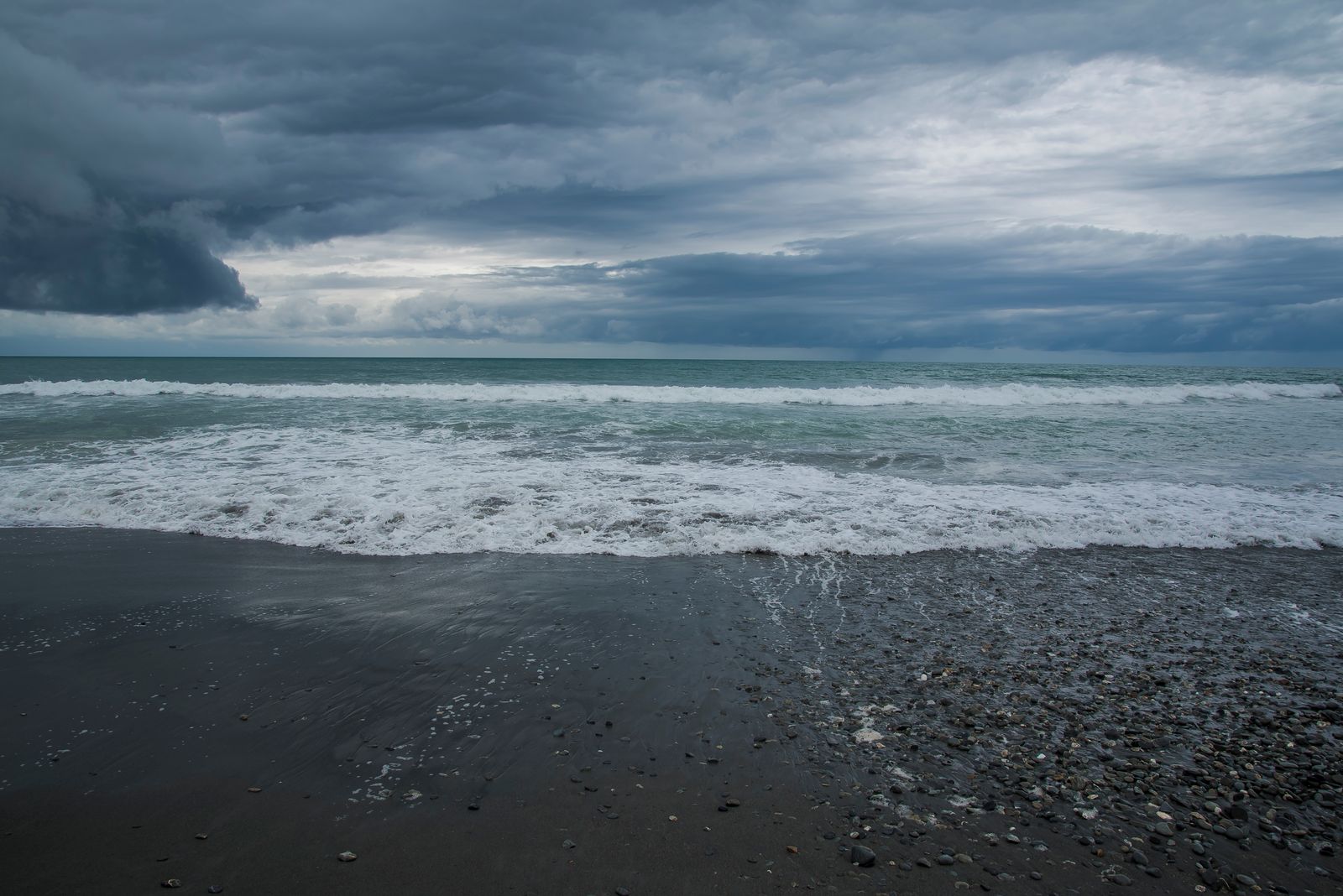
Before anything else
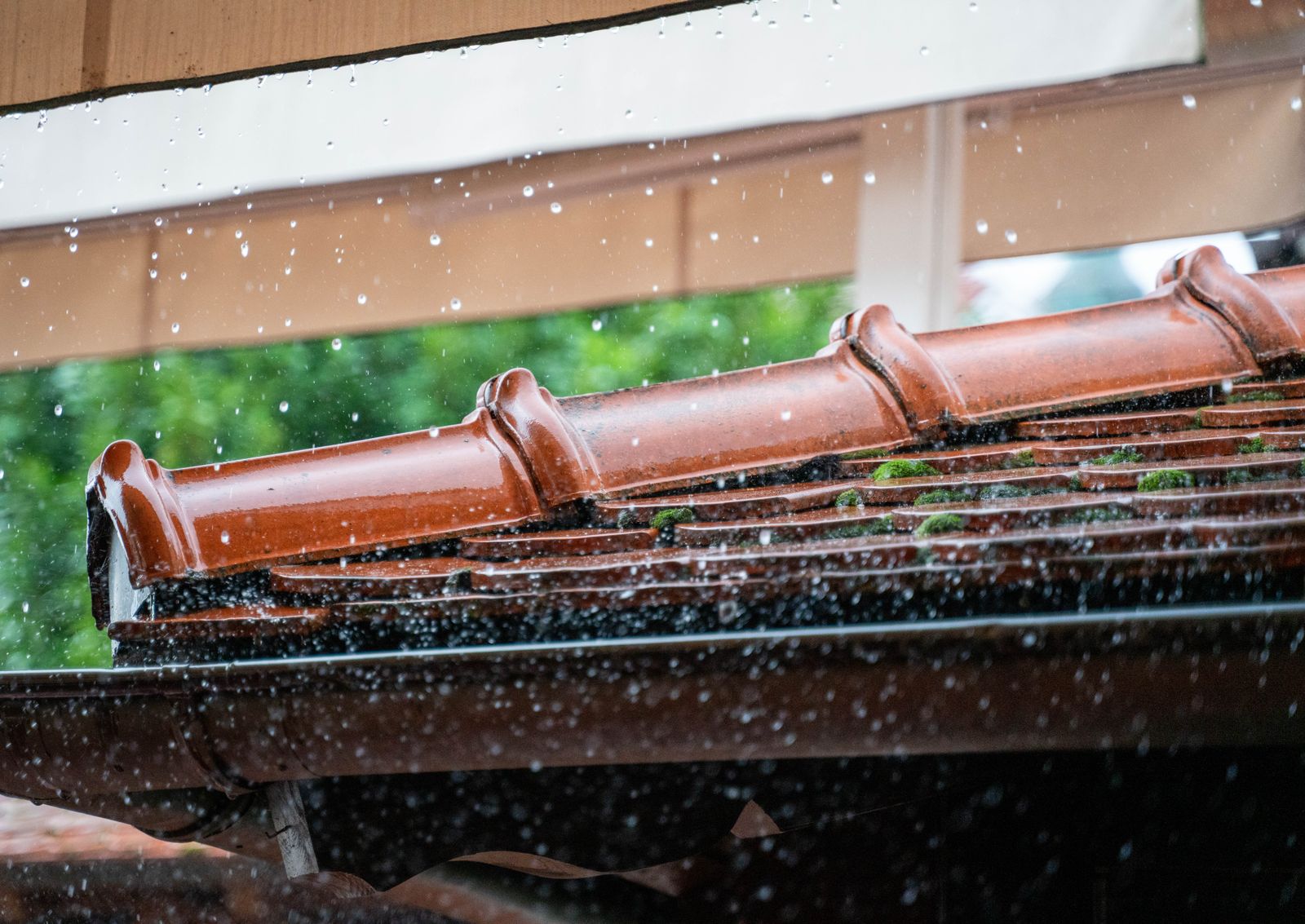
If you are doing it yourself
Order matters more than effort. Doing these in the wrong sequence undoes the earlier steps.
So debris runs down onto surfaces you have not cleaned yet, not the other way round.
Plain water, no wiping. Let the water carry the grit down and off. Wiping a salted, sandy pane is how it gets scratched.
Before the grit dries. A blocked weep hole traps water inside the sash, which is the fastest route to a failed seal.
With plenty of water, so you are floating grit rather than dragging it across vinyl and aluminium.
Anything that does not rinse gets graded, not attacked with an abrasive. That is a restoration job, not a cleaning job.
Our scope
A storm visit is a flush, not a normal clean. It is priced differently and scheduled differently, and plan clients go first.
Every elevation flooded with deionised water so wind-driven salt and sand float off rather than being dragged across the glass.
Vacuumed dry first, then flushed. Wet sand packed into a slider track sets hard and takes rollers with it.
Storm screens are always full of pine straw and salt. Washed on a flat surface, not against the frame.
Looking for displaced glazing beads, torn gaskets and anything that let water into the sash cavity.
Documented per elevation, in a format your insurance adjuster can actually use.
Post-storm gutters are the most blocked they will be all year. Cleared by hand and flow tested.
Scheduling
Plan clients are scheduled first, typically within 96 hours of road access being restored, because we already hold their pane counts, access notes and gate codes and can simply move. Everyone else is scheduled in the order the calls come in, and we will give you an honest date rather than an optimistic one.
If a property is uninhabitable or has broken glazing, say so when you call. Those move up the list regardless of plan status, because open glass lets weather into the building.
Sample response window for a demo website. Actual timing depends on road access, power and crew availability.
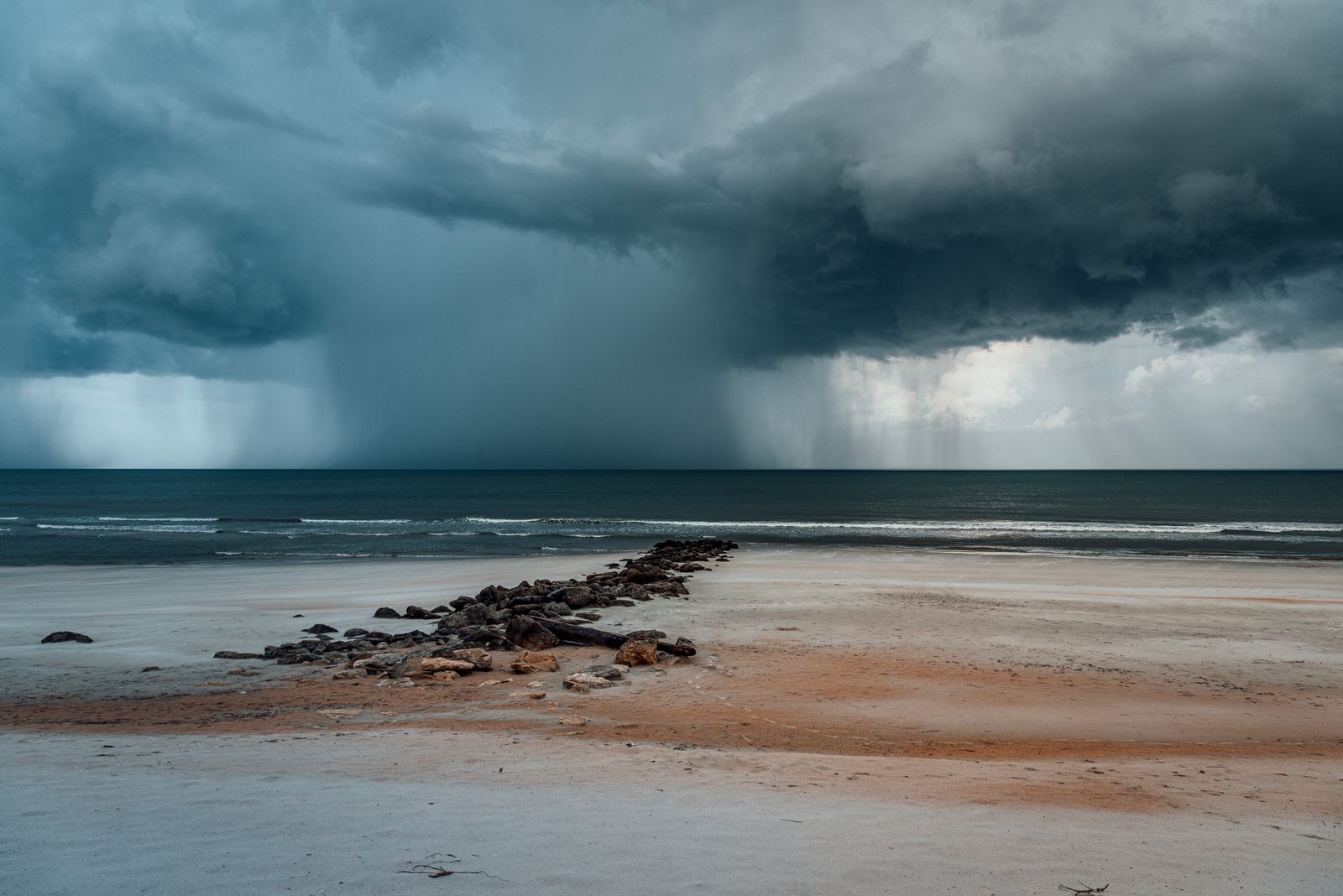
Storm response
Tell us the address and the access situation. We will give you a realistic date and what the flush will cover.
Insured and IWCA. Certificates issued to your property manager on request.
We value your privacy
We use cookies to run this site, remember your preferences and understand how it is used.Cookie policy