Measured, not claimed
On monitored systems we show you production before and after rather than quoting an industry average at you.
Exterior
Deionised water, soft brush, no detergent. Documented before and after output on monitored systems.
Overview
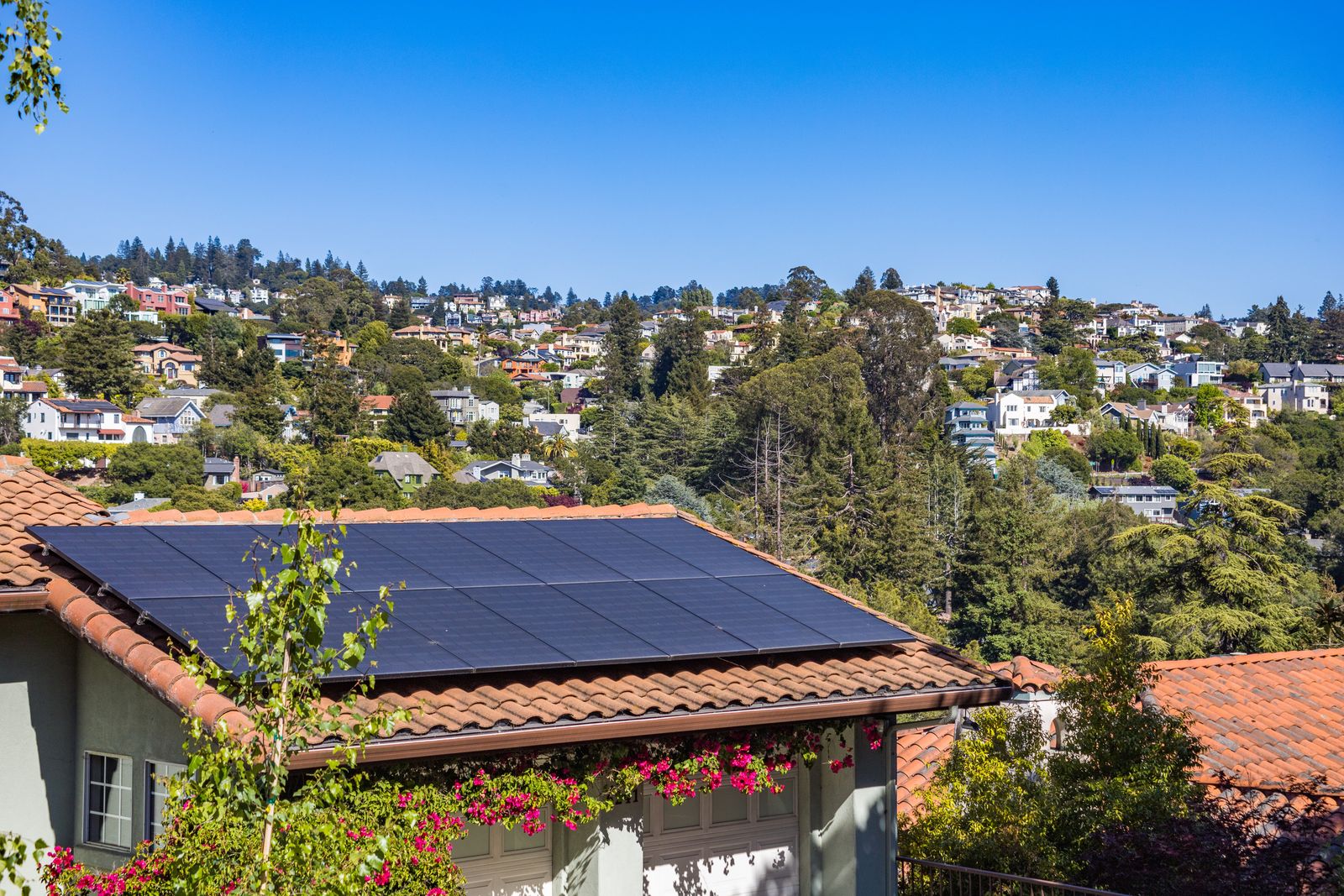
A solar module is a sheet of low-iron tempered glass with an anti-reflective coating, sitting at an angle that collects everything the air drops on it. On the coast that means salt aerosol, pine pollen in spring, and a fine soil film that rain smears rather than removes.
We clean arrays with deionised water and a soft nylon brush, no detergent at all. Detergent leaves a residue film that attracts soil faster than before, and the surfactants can damage anti-reflective coatings. Where a system has monitoring, we record production for the seven days before and after so you can see what the clean actually returned.
Scope
Method
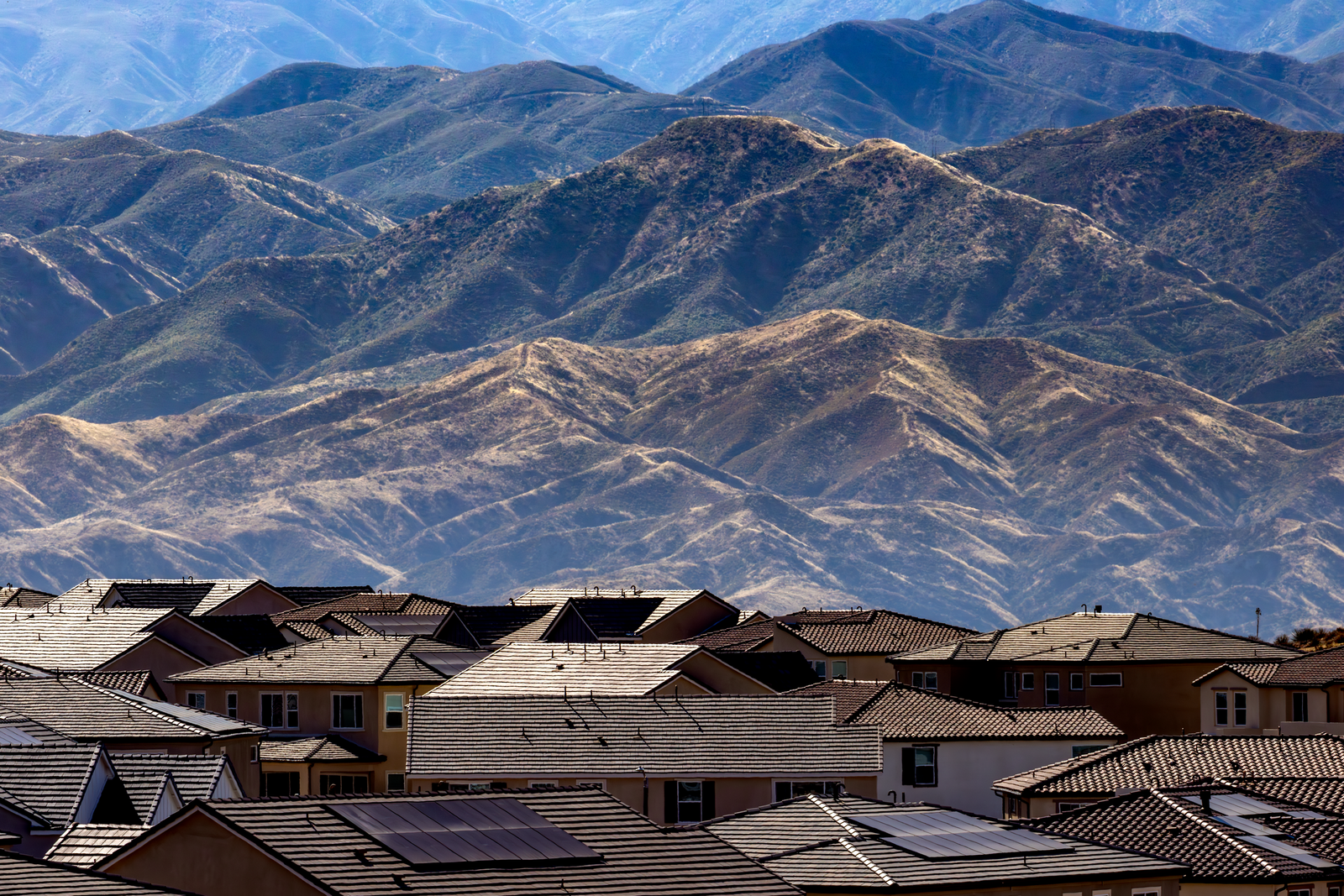
Order matters. Most damage in this trade comes from doing the right steps in the wrong sequence.
Baseline production is recorded before we start so the result is measurable rather than anecdotal.
Panels are washed cold. Spraying water on glass at 140 degrees F risks thermal shock, so we work before 10 am or after 5 pm.
A pre-rinse floats the grit off, the brush lifts the bonded film, and a deionised final rinse dries without spotting.
Rails, clamps, conduit and the junction box get a visual check. Coastal fixings corrode and it is worth catching early.
Photos, any defects found, and the production comparison once seven days have passed.
Why it is worth it
On monitored systems we show you production before and after rather than quoting an industry average at you.
Deionised water dries clear and leaves nothing behind for the next pollen fall to stick to.
Cracked cells and corroded fixings are much cheaper to deal with before a warranty period ends.
Pricing factors
Every figure on this site is a sample. A real number follows a count on site.
| Factor | Effect |
|---|---|
| Panel count | Priced per panel. A typical Wilmington residential array is 18 to 30 modules. |
| Roof pitch and height | Steep pitch or third-storey arrays need rope or lift access. |
| Soiling type | Pollen rinses easily. Salt film and bird deposit need brush contact. |
| Monitoring | Systems with production data get the before and after report at no extra cost. |
Questions
Anything not covered here, call and ask. You will reach someone who has done the work.
It depends entirely on the site. On coastal arrays we typically see mid single-digit percentage recovery after a spring pollen season, and less after a clean winter. Any figure quoted before we see your data is a sample, not a promise.
Most manufacturers require soft brush and clean water and prohibit detergents and high pressure, which is exactly the method we use. Send us your O&M document and we will confirm before booking.
Most Wilmington arrays do well on twice a year, timed after pine pollen ends in May and again in late autumn. Arrays within a mile of open water often justify three.
Yes, and they are cheaper per panel because access is simple.
Often booked together
Rope descent, boom lift and extended water-fed pole work on buildings above two storeys.
Interior and exterior glass, sills, sashes and frames on houses from cottages to oceanfront builds.
Free estimate
No sales visit. A technician counts the glass, checks the storey and the coating, and sends a written figure the same day.
Insured and IWCA. Certificates issued to your property manager on request.
We value your privacy
We use cookies to run this site, remember your preferences and understand how it is used.Cookie policy