Windows actually open again
Most stiff sliders on this coast are not broken. They are full of sand.
Glass
Screens removed, washed and re-seated. Sills, tracks and weep holes cleared of coastal grit.
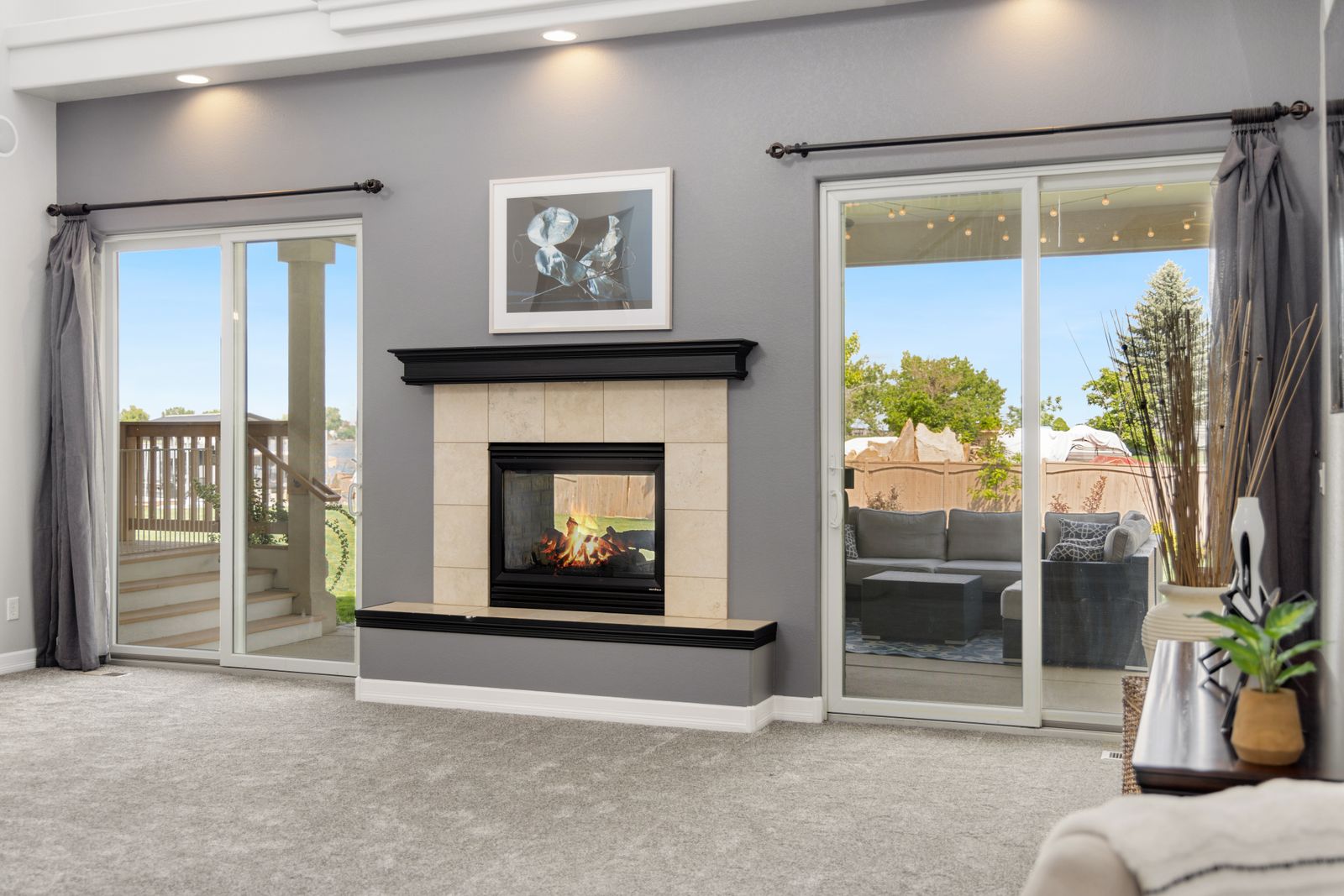
Overview
Screens and tracks are where most window complaints actually come from. Glass can be perfect and the window still looks bad, because the sill holds a grey line of sand, the track has a sprouting weed in the corner, and the screen mesh is grey with salt and pollen.
On the coast this is not cosmetic. Sand in a sliding door track grinds the rollers. Blocked weep holes at the bottom of a vinyl frame trap water inside the sash, which is the fastest way to a failed seal and a rotted sill. We clear weep holes on every visit and tell you if one is blocked by caulk rather than debris, because that is a builder problem, not a cleaning problem.
Scope
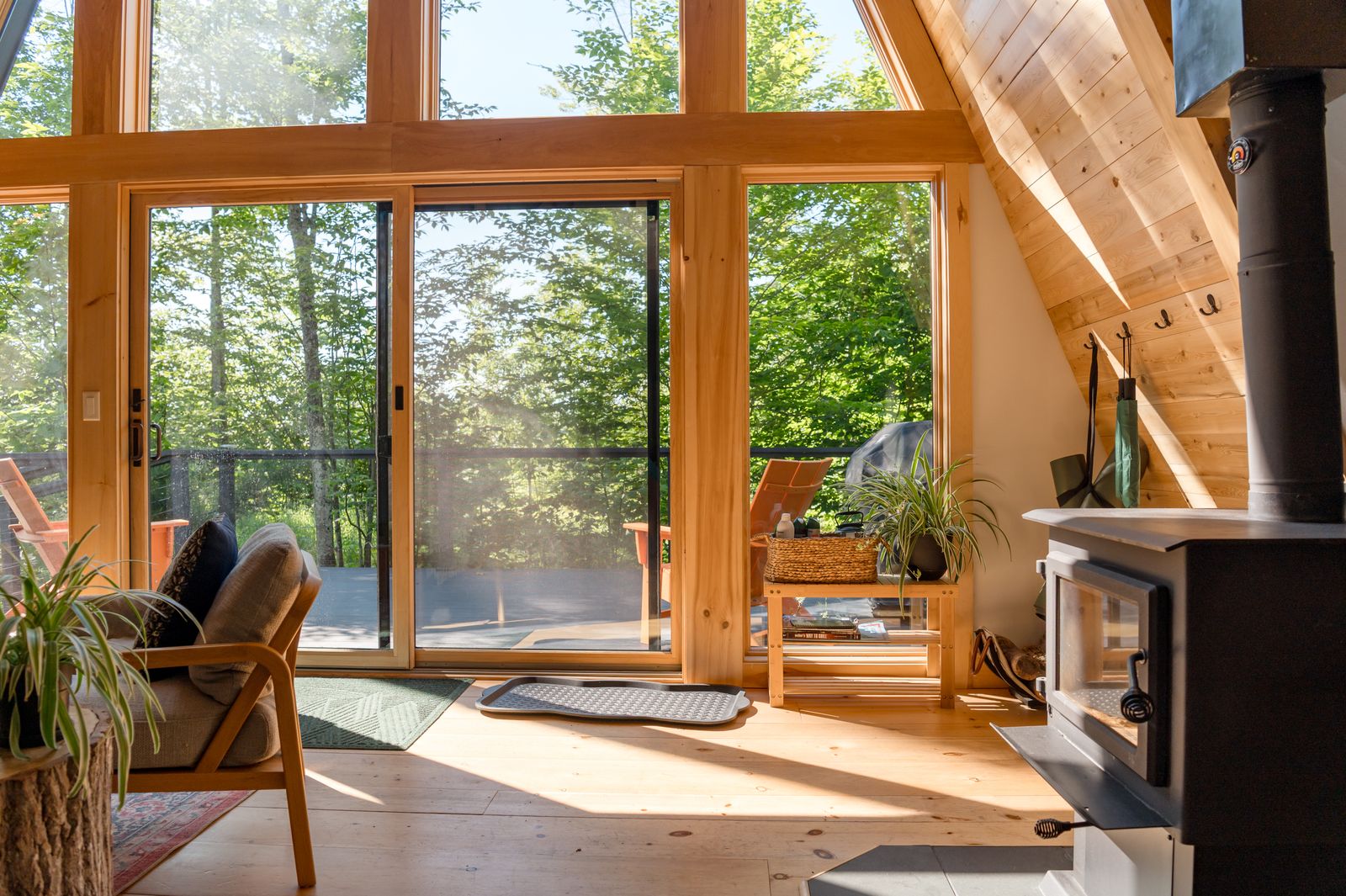
Method
Order matters. Most damage in this trade comes from doing the right steps in the wrong sequence.
Every screen gets a low-tack label keyed to its opening. Screens are not interchangeable even when they look identical.
Tracks are vacuumed before any water. Wet sand becomes a grinding paste.
Soft brush and rinse on a flat surface, never against the frame, which stretches the mesh.
Each weep hole is probed and flushed so trapped water can leave the frame.
Screens go back into their labelled openings and every slider is opened and closed once to confirm travel.
Why it is worth it
Most stiff sliders on this coast are not broken. They are full of sand.
Clear weep holes keep standing water out of the sash cavity, which is what kills insulated glass units early.
Labelling means screens go back into the right opening, so nothing rattles or sits proud of the frame.
Pricing factors
Every figure on this site is a sample. A real number follows a count on site.
| Factor | Effect |
|---|---|
| Screen count | Priced per screen. Full-height slider screens count as two. |
| Screen condition | Sun-brittle mesh sometimes cannot be removed without tearing. We photograph and ask before forcing anything. |
| Track length | Sliding doors and multi-slide walls take much longer than double-hung tracks. |
| Grit load | Oceanfront and sound-front homes carry far more sand per track. |
Questions
Anything not covered here, call and ask. You will reach someone who has done the work.
We quote re-screening separately. Charcoal fibreglass mesh is standard; we recommend it over aluminium on the coast because it does not corrode.
Light bends we straighten on site. Anything creased gets photographed and quoted for replacement.
Yes, but gently and never with a pressure washer. Solar mesh delaminates under pressure.
Often booked together
Interior and exterior glass, sills, sashes and frames on houses from cottages to oceanfront builds.
Hand cleared, bagged, downspouts flushed and flow tested. Pine needles included.
Staged restoration for sprinkler spotting, salt etch and construction overspray on glass.

Free estimate
No sales visit. A technician counts the glass, checks the storey and the coating, and sends a written figure the same day.
Insured and IWCA. Certificates issued to your property manager on request.
We value your privacy
We use cookies to run this site, remember your preferences and understand how it is used.Cookie policy